English





































































































































































































































































![swimsuit edition [abbb] - 1.20 21 swimsuit edition - chapter](https://mymagazine.blog/wp-content/uploads/2025/09/swimsuit-edition-abbb-1.20-21-swimsuit-edition-chapter1-1024x574.webp)





What Is the Value of Diamonds Today? Expert Insights and Pricing Tips

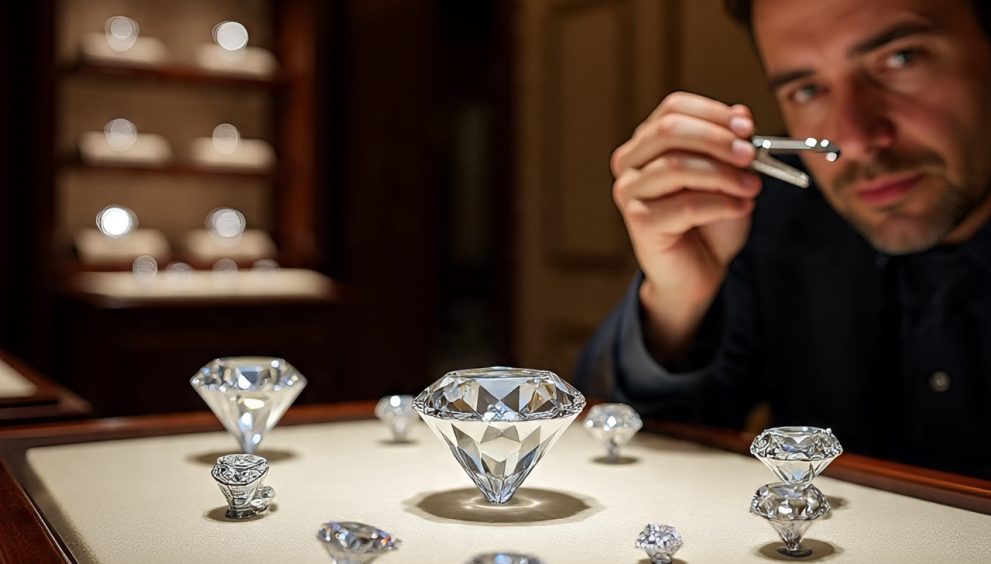
In the last three years, the diamond market has changed more than it did in the whole decade before that. Prices for natural diamonds have dropped a lot since they peaked in 2022, and lab-grown stones have taken over the retail space at a fraction of the cost of real diamonds.
If you have a diamond, whether it’s a family heirloom, an engagement ring from a past relationship, or a stone you bought as an investment, it’s more important than ever to know what’s going on in the market right now.
Before making any decisions, the smartest first step is getting a straight, professional opinion on what your stone is actually worth today. Many people choose to sell your diamond to Diamond Banc because they offer transparent evaluations with no pressure, giving sellers a realistic number to work with before committing to anything.
How Diamond Prices Have Changed in 2025
Since 2022, the price of natural diamonds has dropped by about 25 to 30 percent. This is mostly because there are more lab-grown diamonds available and people’s tastes are changing. A 1-carat natural diamond usually costs between $4,000 and $9,000, depending on its features. A similar lab-grown stone costs between $800 and $2,000.
That’s not a mistake. Lab-grown diamonds are now about 80 to 85 percent less expensive than natural diamonds that are similar in size and quality. When people can go into a store and buy a bigger, flawless stone for a lot less than what a mined diamond costs, it changes the whole conversation about value, both in stores and on the resale market.
That said, prices for the best natural diamonds have stayed pretty stable. Stones that are colorless, flawless, or fancy-colored haven’t softened nearly as much. The mid-tier range has seen the biggest price changes. Sellers feel the most pressure in the market for round-cut naturals with G-J color grades and SI clarity.
Understanding the 4Cs and Their Impact on Value
Every diamond appraisal starts in the same place: the 4Cs. Cut, color, clarity, and carat weight form the global standard for grading diamonds, and they directly determine what any given stone will fetch on the open market. Here’s what actually matters when a buyer is looking at your stone.
Cut
A well-proportioned cut maximizes brilliance, making the diamond look alive under light. Poor cut quality, even on a stone with excellent color and clarity grades, reduces desirability and lowers resale offers more than most sellers expect. Key things buyers look at:
-
Symmetry and proportion of the facets
-
Light performance (brilliance, fire, scintillation)
-
Whether the cut grade meets Excellent or Ideal standards
Color
Color runs on a scale from D (completely colorless) to Z (visible yellow or brown tint). Colorless stones in the D through F range command 20 to 30 percent premiums over near-colorless G-H stones. Here’s how the grades break down in practice:
-
D, E, F: Colorless, highest value
-
G, H, I, J: Near-colorless, strong mid-market demand
-
K, L, M: Faint color, warm tint visible to the naked eye
-
N and below: Light color, noticeably tinted, lowest resale appeal
Clarity
Clarity measures the presence of inclusions and surface blemishes. Fewer inclusions equal higher value, full stop. The grades that matter most to buyers:
-
FL/IF (Flawless/Internally Flawless): Rare, premium pricing
-
VVS1/VVS2 and VS1/VS2: High demand, strong resale
-
SI1/SI2: Acceptable to most buyers if inclusions aren’t eye-visible
-
I1 and below: Visible inclusions, significantly lower offers
Carat Weight
Larger diamonds, especially those at or above two carats, tend to hold their value better than smaller stones. Prices don’t scale evenly either; a 2-carat diamond costs considerably more than twice the price of a comparable 1-carat stone. A few things worth knowing:
-
Stones just above magic weights (1.00ct, 1.50ct, 2.00ct) carry a premium
-
Sub-carat diamonds are more affected by lab-grown price competition
-
Larger stones have fewer buyers but stronger per-carat values
What to Realistically Expect When Selling
This is where sellers usually get caught off guard. The resale value and the retail value are two very different numbers. A diamond that costs $10,000 at a store won’t sell for that much on the resale market. Sellers should realistically expect offers between 20 and 60 percent of the original retail price.
That range doesn’t mean that something is wrong with your stone. It shows how the jewelry market works; retail prices include branding, overhead, and profit margins that don’t apply when you’re selling used jewelry.
Certification is one thing that really affects what you’ll get. Diamonds that have been graded by the GIA (Gemological Institute of America), IGI, or AGS are much easier to sell and usually get better, more competitive offers than stones that haven’t been graded. It may be worth the money to get an older diamond certified before you sell it if you don’t have a grading report.
Shape is important too. Round brilliant cuts always have more resale value than most fancy shapes. However, oval and radiant cuts have become more popular recently because of changing style trends.
Getting the Most Out of Your Diamond’s Value
Timing and planning really matter. Getting more than one appraisal before agreeing to a sale helps you understand the fair market value better and protects you from getting less than your stone is worth.
Before any appraisal, have it cleaned by a pro. How something looks really does change how people see it. If you have the original GIA or AGS certificate, keep it with the stone. This will make the whole process easier for everyone involved and take away any guesswork.
One last thing you should know is that there is a big difference between an insurance appraisal and a market appraisal. Insurance appraisals show the cost of replacing something, which is always more than what a buyer will pay. Market value is the number that matters when you’re selling. If you’ve been using an insurance appraisal to figure out how much your diamond is worth, you’re probably overestimating how much the market will pay.