English










































































































































































































































































![swimsuit edition [abbb] - 1.20 21 swimsuit edition - chapter](https://mymagazine.blog/wp-content/uploads/2025/09/swimsuit-edition-abbb-1.20-21-swimsuit-edition-chapter1-1024x574.webp)





Why an Apron Matters So Much to Hand-Tool Woodworkers

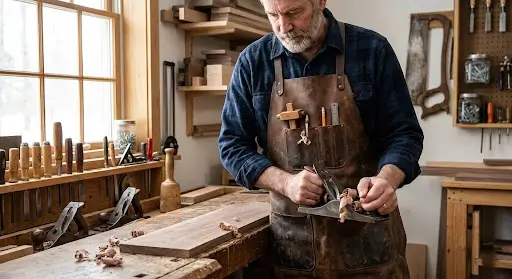
There is a particular kind of conversation that happens in hand-tool woodworking communities. It is about the gear, but not only about the gear. It is about what the gear represents: a way of working, a way of thinking, and a way of relating to the objects you make and the tools you use.
The apron sits near the center of that conversation. To outsiders, it may look like a simple piece of protective clothing. To woodworkers, especially those who work with hand tools, the right woodworking apron becomes part of the rhythm of the shop.
Hand-Tool Work Is Different
Hand-tool woodworking has a different pace from power-tool work. It is slower, quieter, and more physical. You feel the grain change under the plane. You hear the chisel cut. You lean into the bench, adjust your stance, reach for a marking knife, and return to the work.
In that setting, an apron is not just something that keeps dust off your clothes. It needs to support the way the work happens. A good leather apron protects the body, keeps essential tools close, and stays comfortable through long, focused sessions at the bench.
The best aprons for this kind of work do not feel generic. They feel suited to the workshop.
What the Hand-Tool Workshop Demands
Spend a few hours at a hand-tool bench, and the demands on an apron become clear.
Friction tolerance
Hand planing means leaning into the work. The front of the apron often touches the bench, the workpiece, and your forearms. Thin fabric can wear through quickly at these contact points. A durable apron needs to handle repeated friction without becoming uncomfortable or falling apart.
Practical tool storage
Hand-tool work often moves between small tools: marking knives, pencils, rules, squares, gauges, chisels, and small layout tools. The apron should hold these items securely without getting in the way.
Pocket placement matters. Pockets that are too deep, too wide, or badly positioned can interrupt the workflow. A proper apron should make tools easier to reach, not harder.
Easy cleanup
Hand planes produce long shavings. Chisels and gouges create chips. Dust and debris naturally fall down the front of the body while working. The surface and pocket design of an apron affect how much material collects during a session.
Smooth surfaces are easier to brush clean. Poorly designed pockets can become traps for chips and shavings.
Quiet movement
This may sound like a small detail, but it matters in a hand-tool shop. Hand-tool woodworking is quiet by nature. The sounds of the work are part of the experience: the plane, the chisel, the saw, and the wood itself.
An apron that rustles, snaps, or squeaks can become distracting. Good gear should disappear into the background.
Why Leather Works So Well
Leather has remained popular in workshop aprons for practical reasons. It is strong, flexible, and comfortable once it breaks in. It also handles the daily conditions of woodworking better than many lighter materials.
A leather apron sheds wood shavings well. It does not catch on rough boards as easily as some fabrics. It distributes the weight of small tools without sagging heavily. It also develops character over time rather than simply looking worn out.
That aging process matters to many woodworkers. After a year of steady use, a leather apron carries marks from the bench, the tools, the glue, the sawdust, and the work itself. Those marks become part of its value.
Fabric aprons may look dirty as they age. Leather often looks more personal.
The Aesthetic Layer Matters
In hand-tool woodworking, aesthetics and function are not completely separate. The way a workshop looks and feels can affect the way a person works inside it.
Hand-tool woodworking is connected to long traditions of craft. The bench, planes, chisels, joinery methods, and working habits all carry some relationship to older forms of making. The apron belongs within that visual and functional language.
This does not mean the apron is a costume. It means it should feel appropriate to the work. A well-made woodworking apron fits naturally into a shop built around hand tools, careful technique, and deliberate craftsmanship.
Gear that feels out of place can create subtle friction. Bright synthetic materials, uncomfortable straps, noisy hardware, or oversized branding may not stop the work, but they can interrupt the atmosphere of the shop.
Choosing the Best Apron for Woodworking
Not every apron that works in a garage or factory is right for a hand-tool woodworking bench. The best choice depends on comfort, movement, tool access, and durability.
Here are the main details to consider.
Length
A good apron should usually fall somewhere between mid-thigh and knee length. Hand-tool workers often bend over a bench for long periods. An apron that is too short may ride up. One that is too long may drag against the bench or restrict movement.
Pocket layout
Pocket design is one of the most important features. Hand-tool woodworkers often need narrow, secure pockets for pencils, marking knives, rulers, and layout tools. Very large pockets may look useful, but they can become awkward if tools shift around too much.
The goal is simple: the right tool should be easy to find without looking down for too long.
Surface quality
Smooth leather is usually easier to clean than heavily textured leather. Pebbled or rough surfaces may hold more dust and debris. A workshop apron does not need to be overly polished, but it should be easy to brush off at the end of a session.
Weight
Heavier is not always better. Welding aprons and heavy-duty industrial aprons may be too stiff or tiring for long woodworking sessions. For most hand-tool woodworking, a medium-weight leather is usually enough.
The apron should protect without feeling like armor.
Strap design
Comfort matters because the apron may be worn for hours at a time. Cross-back straps are often more comfortable than neck straps because they spread weight across the shoulders instead of pulling on the neck.
A comfortable leather apron should allow bending, reaching, planing, and sawing without constant adjustment.
The Slowness of the Work
Hand-tool woodworking is slow by design. A joint that takes minutes with a jig may take much longer by hand. That slowness is not a weakness. For many woodworkers, it is the point.
The slower pace creates a different relationship with the material. You notice small changes. You respond to the wood more directly. You become aware of your body, your tools, and your surroundings.
In a slow practice, small details matter more. An uncomfortable strap, a poorly placed pocket, or a stiff apron can become annoying over time. Good gear, by contrast, supports the work so naturally that you stop thinking about it.
That is what the best apron should do. It should protect, organize, and support without demanding attention.
What to Look For in a Good Workshop Apron
A strong woodworking apron should be designed around the actual demands of bench work. It should have useful pockets, a durable surface, comfortable straps, and enough flexibility for long sessions.
The best designs usually avoid unnecessary features. They do not need excessive hardware, oversized branding, or bulky construction. They need to help the woodworker move naturally through the work.
A good apron should feel like part of the shop, not like something borrowed from another trade.
Caring for a Leather Apron
One reason leather is highly valued in workshops is that it responds well to proper care. With a simple maintenance routine, a quality leather apron can remain strong, comfortable, and good-looking for many years.
Basic leather apron care is easy to follow. After each use, brush away wood shavings, dust, and debris so they do not settle into the leather. When the surface looks dirty, wipe it gently with a slightly damp cloth and allow it to dry naturally. To keep the leather flexible and prevent cracking, apply a suitable leather conditioner once or twice a year. You can also learn more about the proper care of a leather apron from trusted leather care resources.
When the apron is not in use, hang it in a dry, well-ventilated place. Avoid folding it for long periods, as this can create deep creases in the leather. It is also a good idea to check the stitching, straps, and stress points occasionally to make sure everything remains secure.
The Role of Tradition
Hand-tool woodworking is increasingly a deliberate choice. Most modern furniture is made with machines. Many workshops prioritize speed, efficiency, and repeatability. Hand-tool woodworkers often choose another path.
They choose slower work, quieter tools, and closer attention to material. The apron fits into that tradition because it has always served a practical role in the workshop.
From old joiners’ benches to modern home shops, the apron has remained useful for the same reasons. It protects the worker, carries small tools, and becomes part of the daily routine.
The materials and designs have lasted because they work.
Final Thoughts
There is one way of thinking about workshop gear that says it is all replaceable. For some tools and situations, that may be true. But hand-tool woodworking often encourages a different mindset.
The objects in the shop matter because they shape the way the work feels. The bench, the planes, the chisels, the lighting, the storage, and the apron all contribute to the experience.
A good woodworking apron is not the most important tool in the shop, but it is part of the whole system. Get it wrong, and it may become a small daily irritation. Get it right, and you may stop noticing it entirely.
That is usually the sign of good workshop gear.
For anyone settling into hand-tool woodworking, the apron is a detail worth getting right. It protects your clothes, keeps tools close, supports the rhythm of the work, and becomes part of the workshop over time. In a craft built on small decisions made carefully, even a simple apron deserves careful thought.